Volatility is often misunderstood in Forex trading. For beginners, it feels dangerous. For experienced traders, it is opportunity. The truth is simple:
Without volatility, there is no profit.
Price movement is what creates trading opportunities. When the market is flat, even the best strategy struggles. When volatility increases—if managed correctly—it becomes one of the most powerful tools for making money in Forex.
This article explains how volatility works, why it matters, and how traders can use it strategically rather than fear it.
1. What Is Volatility in Forex?
Volatility refers to how much and how fast price moves within a certain period.
- High volatility = large, fast price movements
- Low volatility = small, slow price movements
Forex volatility is influenced by:
- Economic data releases
- Central bank decisions
- Geopolitical events
- Market sentiment and liquidity
Volatility itself is not bullish or bearish—it simply creates movement.
2. Why Volatility Is Essential for Profit
Forex traders do not earn money from time.
They earn money from price movement.
Key reasons volatility matters:
- Larger price swings = bigger profit potential
- Faster movement = clearer momentum
- Breakouts and trends form during volatile periods
Professional traders do not ask:
“Is the market volatile?”
They ask:
“Is volatility structured or chaotic?”
3. High Volatility vs Low Volatility Markets
Low Volatility Environments
- Range-bound price action
- Smaller profit targets
- Higher risk of false signals
Best suited for:
- Range trading
- Mean-reversion strategies
High Volatility Environments
- Strong momentum
- Breakouts and trends
- Expanded profit potential
Best suited for:
- Breakout trading
- Trend-following strategies
Knowing which environment you are in is more important than the strategy itself.
4. Best Times to Trade Volatility in Forex
Volatility is not random. It appears consistently during specific periods.
4.1 Major Trading Sessions
- London session
- New York session
- London–New York overlap (highest volatility)
4.2 High-Impact News Events
- Interest rate decisions
- Non-Farm Payrolls (NFP)
- Inflation and GDP data
Smart traders prepare for volatility—they do not chase it blindly.
5. Strategies to Make Money from Volatility
5.1 Breakout Trading
Volatility often expands after periods of consolidation.
How it works:
- Identify tight price ranges
- Wait for strong directional break
- Enter with confirmation, not anticipation
Key rule:
Trade the reaction, not the prediction.
5.2 Trend Trading in Volatile Markets
High volatility often creates strong trends.
Successful trend traders:
- Enter after pullbacks
- Use trailing stops
- Let winners run
Volatility fuels trends—but discipline keeps profits.
5.3 Volatility-Based Stop Loss and Targets
Using fixed stop losses in volatile markets is a common mistake.
Better approach:
- Adjust stop loss based on volatility
- Use tools like ATR (Average True Range)
- Reduce position size when volatility increases
Professionals adapt risk—not hope.
6. Risk Management Is Non-Negotiable
Volatility magnifies both profits and losses.
Rules professionals follow:
- Risk only 1–2% per trade
- Reduce leverage during high volatility
- Never widen stop losses emotionally
Remember:
Volatility rewards preparation—and punishes overconfidence.
7. Common Mistakes Traders Make with Volatility
❌ Chasing fast-moving candles
❌ Increasing lot size during news
❌ Trading without a plan
❌ Confusing excitement with opportunity
High volatility without structure is gambling.
8. Volatility and Trader Psychology
Volatile markets test:
- Patience
- Emotional control
- Discipline
Successful traders stay calm while others panic.
The goal is not to trade more during volatility, but to trade better.
9. Tools That Help Measure Volatility
Useful tools include:
- Average True Range (ATR)
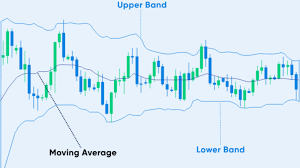
- Bollinger Bands
- Session range analysis
These tools help traders adapt strategies to current market conditions instead of guessing.
10. The Professional Mindset Toward Volatility
Professional traders understand:
- Volatility creates opportunity
- Risk management creates longevity
- Discipline creates consistency
They do not fear volatility.
They prepare for it.
Conclusion
Making money in Forex is not about predicting direction—it is about using volatility intelligently. Price movement is the fuel of profit, but only disciplined traders know how to control the engine.
When volatility increases:
- Reduce ego
- Respect risk
- Follow your plan
Because in Forex trading, volatility does not destroy accounts—poor risk management does.
Master volatility, and the market starts working with you, not against you.
Word Count:
546
Summary:
If you desire to win big in forex trading, learn to compute the odds of winning, and like the successful poker player, bet big when the odds are in your favor and stay away from a trade where the odds indicate you will lose. Discover the practicality of such a theory and learn how a professional trader actually applies this to his forex trades to make a consistent 5 figure income.
Keywords:
make money forex trading, volatility, risk reward ratio, stops, how to trade forex, learn forex
Article Body:
Traders in the forex market are now a savvy lot. Almost everyone in the forex market nowadays are self trained in reading charts, or a user of some form of high technology software to trade the forex market. Some have graduated from using simple technical analysis to the new fangled sophistication of neural network forecasting and artificial intelligence. But yet a great majority of these professed experts fail in their trading, losing money from their trading rather than making profits. Why is it so?
The answer lies in the devil within. The traders who win are those who are capable of executing their trading plans with discipline and precision, and more importantly, they can cope with the VOLATILITY of forex trading.
Theory is if you can identify volatile movements, even if they are small, and execute trades with these volatile movements, buying on the lows and selling them at the peaks, you stand to make big profits. However, in practice, many volatile movements are too fast and tiny to be identified in time to be traded profitably. Where larger volatile movements are identified, it is error in judgment and the speed of execution of the trades that reduce the amount of profits.
When I was conducting research into writing a report on how a trader can recoup his losses after a horrendous period of bad trading, I was pleasantly surprised by a veteran trader who told me he was a profitable trader from day one of his starting trading. This is by no means a false claim, because this flamboyant trader has always been known both for his tremendous skill in trading and for being anything but decent about his skills and his ability to make the correct calls in the market.
Being surprised, I asked him what was his profession before he became a professional trader and a trading coach. His answer added to my surprise, because he said, ” I was a professional poker player and the runner up in the Australian poker championship!”.

Tinggalkan Balasan